“Amalfi is the coast’s old capital and its one proper harbour: a cathedral at the top of the stairs, a medieval arsenal on the water, and the easiest town day on the route.”
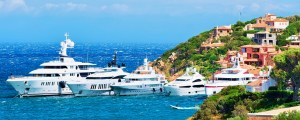
In short. Amalfi sits mid-coast between Positano and Salerno, 5 nautical miles from Positano and 17 from Capri. The harbour berths yachts to around 33 to 35 metres; anything larger makes it a timed day call and tenders in. A week on this coast starts near €80,000.
This is the town that gave the coastline its name. Amalfi was a maritime republic with its own fleet and its own code of sea law, it claims the mariner’s compass as its own invention, and the Duomo di Sant’Andrea at the top of its staircase is the most commanding building on the coast.
It is also the practical one. Amalfi has a proper harbour, a compact walkable centre and real restaurants, so you can go ashore without turning the day into a logistics exercise. If Positano is the view and Capri is the glamour, Amalfi is the town day that actually works.
Must-dos in Amalfi
- The Duomo di Sant’Andrea and the Cloister of Paradise beside it
- The Antico Arsenale, one of the few surviving medieval arsenals in the West, now the compass museum
- Lunch at Da Gemma, open since 1872, a few steps from the Duomo
- Ravello in the afternoon, the terraces and gardens 350 metres above the water
- A swim at the Fiordo di Furore, under the bridge, three miles west
On this page: a day in Amalfi · what our brokers say · the harbour and the town · Atrani, Ravello and Furore · where yachts tie up · what it costs · distances · when to go · day charter or the week
What a day in Amalfi actually looks like


Amalfi is a town day, and the shape of it is simple, which is the point.
Morning. Swim off the yacht first, somewhere west towards Praiano or at the Fiordo di Furore. Amalfi’s own beach is central and lively rather than good swimming, so get the water done before you go ashore.
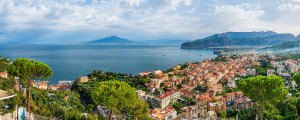
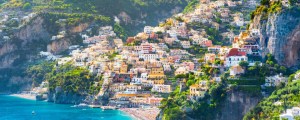
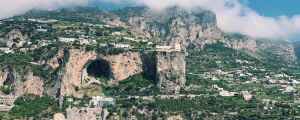
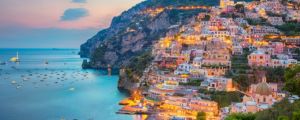
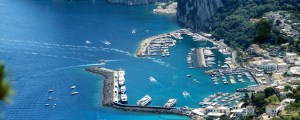
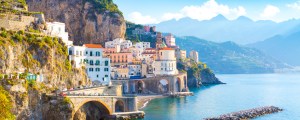
Late morning. Come into the harbour. The arrival is the photograph: the town wrapped around the valley, the houses climbing behind, the Duomo staircase cutting up through it.
Lunch. Da Gemma near the Duomo for a proper meal, Marina Grande on the water for seafood, Lido Azzurro on the port for a terrace and boat-watching. La Caravella dal 1959 is the formal one if the evening calls for it.
Afternoon. One cultural anchor, not five. The Duomo and the Chiostro del Paradiso in the same complex, or the Arsenale, or the Paper Museum in a thirteenth-century mill. Then the lanes, which take an hour.
Evening. Either Piazza Duomo for a drink before dinner, or back aboard and round to a quiet anchorage. Many of our crews do the town in daylight and sleep somewhere softer.
What our brokers say about Amalfi
When clients ask what Amalfi is best for, we frame it the same way every time: one excellent meal, one cultural anchor that is actually worth the time, and a short waterfront stroll that feels lively but easy.
Amalfi is less about getting lost in lanes, which is Positano, and more about a town day that is comfortable, efficient and rewarding. It is the stop we use when a group wants to feel they have seen the coast properly without spending the day on logistics.
The honest caveat is the harbour. It is one of the few places on this coast with structured berthing and it is small, so the plan depends on the size of the yacht and on the day’s traffic.
The harbour, the Duomo and the Arsenale: the town

The Duomo di Sant’Andrea dominates everything. It sits at the top of a wide staircase off the main square, it is the most important landmark on the coast in presence and history, and the Chiostro del Paradiso next door is an easy add-on for anyone who wants something beautiful and calm rather than a full visit.
The Antico Arsenale is on the water: stone arches where the republic built its galleys, now the Museum of the Compass and Maritime Duchy, and one of the few medieval arsenals of its kind still standing in the West. It photographs beautifully and it is the shortest route into what Amalfi actually was.
The Museo della Carta, up the valley in a paper mill the museum dates to the thirteenth century, is the small specific one. Half an hour, and distinctly Amalfi. The best photograph, though, is usually the simplest: from the harbour looking back, with the houses climbing the valley behind the town.
Atrani, Ravello and the Fiordo di Furore: around the town


Atrani is next door, a few hundred metres east and a different mood: smaller, quieter, a proper village square and a beach that is the softer alternative when Amalfi’s own is busy. The road out towards it has the vantage points for an Amalfi panorama without a hike.
Ravello is the afternoon. It sits 350 metres above the sea on the shoulder of the valley, and the gardens and terraces at Villa Rufolo and Villa Cimbrone are the view people remember from the coast as a whole. It is a short transfer up from the harbour and the one excursion we recommend making time for.
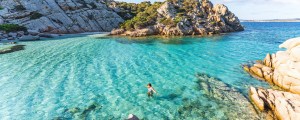
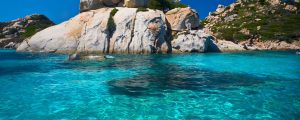
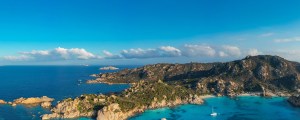
West along the coast are the swim stops. The Fiordo di Furore is a cleft in the cliff with a stone bridge over it and a handful of fishermen’s houses at the bottom, about three miles away; anchor outside and tender in. Praiano, between Furore and Positano, is the quiet stretch of the coast and the alternative anchorage when Amalfi and Positano are both full.
Where yachts actually tie up at Amalfi
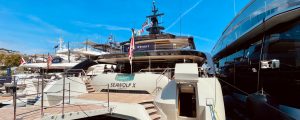
- The harbour, Porto di Amalfi. Berthing and mooring for yachts up to roughly 33 to 35 metres, with depths of 8 to 11 metres, shore power and water. It is one of the few places on this coast with structured berthing, which is exactly why it books up.
- A timed day call. For anything larger we treat Amalfi as a planned day stop: arrive, go ashore by tender, do the town, leave. Conditions and harbour traffic decide the timing, not the itinerary.
- A night somewhere else. Praiano, Furore or round towards Nerano are the quieter anchorages, and many of our weeks do the town by day and the anchorage by night.
Our guide to marina and anchor nights in Italy covers the trade in full. The short version for this coast: berths are scarce and expensive in summer, and they have to be decided early rather than on the evening.
What a week around Amalfi costs
A crewed week on this coast starts around €80,000 for a motor yacht. Most Amalfi weeks we book land between €150,000 and €300,000, and the top of the market runs €300,000 to €500,000 and above.
On top of the weekly rate comes an advance provisioning allowance of roughly 25 to 35 per cent, Italian VAT at 22 per cent and a crew gratuity of usually 5 to 15 per cent. Our Italy charter cost guide breaks it down, with separate guides to APA and Italian charter VAT.
Amalfi is the stop where berths move the number. Our guide to why an Amalfi charter costs more than you expect is blunt about it: prestige stops, scarce summer berths and the wish to do the route properly all pull upward. Anchor more, dock less, and come in June or September, and the same coastline costs materially less.
Fitting Amalfi into the week
Amalfi is a day stop or a night, mid-route, and everything is close.
| From | Distance | At 12 knots |
| Fiordo di Furore | 3 nm | 15 min |
| Positano | 6 nm | 30 min |
| Salerno | 7 nm | 35 min |
| Sorrento | 19 nm | 1 h 35 |
| Nerano / Marina del Cantone | 12 nm | 1 h |
| Capri | 17 nm | 1 h 25 |
| Naples | 31 nm | 2 h 35 |
Our Naples round trip covers 96 nautical miles in seven days, which is the point of this coast: short legs, big impact. If you are deciding where to board, see where to start an Italy charter and how long the week should be.
When to go
- June and September are what we recommend for a first Amalfi week: the same water as high summer, far fewer boats, better rates and a berth you can actually get.
- July and August are the full season. Expect tender traffic, restaurant pressure, busy towns and limited marina flexibility, and book early.
- May and early October are quiet and beautiful, with some beach clubs not yet open or already closed.
Our full month-by-month view is in the best time for an Italy charter, and Italy without the crowds covers what to do if privacy is the brief.
Day charter to Amalfi, or the whole week?
Day boats run to Amalfi from Positano, Sorrento and Salerno, and for one free day ashore they are the right answer.
A crewed week is a different thing. You swim off the yacht before the town rather than queueing for a beach, you eat lunch where you like because the tender is yours, and you sleep in a quiet bay instead of in the traffic. And you get Capri, Nerano, Furore, Positano and Ischia around it.
If the week is the question we would put you on seven nights, or six at the shortest. Anything less is a taster rather than a holiday.
People also ask about Amalfi
Can a yacht dock in Amalfi?
Yes, up to roughly 33 to 35 metres. The Porto di Amalfi offers berthing and mooring at depths of 8 to 11 metres with shore power and water, and it is one of the few places on this coast with structured berthing. Larger yachts make Amalfi a timed day call and come ashore by tender.
Is Positano nicer than Amalfi?
They answer different briefs. Positano is the view and the lanes, best seen from the water and steep to walk. Amalfi is the town day that works: a real harbour, a compact centre, the Duomo and the Arsenale, and lunch without a plan. On a week you do both; they are five nautical miles apart.
How far is Amalfi from Capri by yacht?
About 17 nautical miles, an hour and 25 minutes at 12 knots and under an hour on a fast motor yacht. Positano sits between them, five miles from Amalfi.
What is Amalfi known for?
Being the maritime republic that gave the coast its name, the Duomo di Sant’Andrea and its staircase, the medieval Arsenale that now houses the compass museum, the paper mills of the valley behind, and lemons.
How much does an Amalfi Coast yacht charter cost?
A crewed week starts around €80,000 for a motor yacht and most of the Amalfi weeks we book sit between €150,000 and €300,000, plus APA of 25 to 35 per cent, 22 per cent Italian VAT and a 5 to 15 per cent gratuity. Berths and the month move it more than the stops do.
Is Ravello worth the trip from Amalfi?
Yes, it is the one excursion we recommend making time for. Ravello sits 350 metres above the sea, a short transfer up from the harbour, and the gardens and terraces at Villa Rufolo and Villa Cimbrone are the view many people picture when they think of this coast.






 iMessage
 WhatsApp